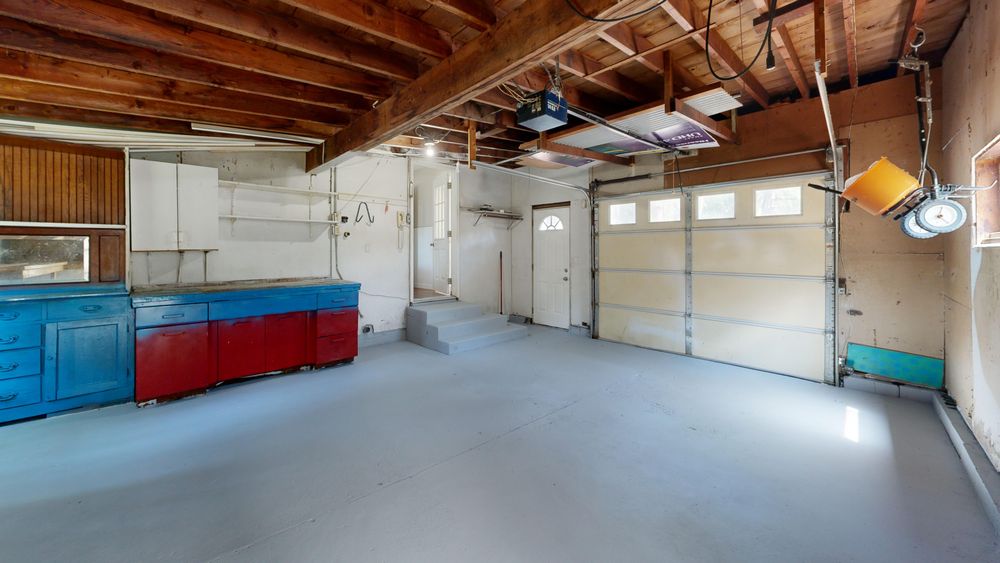
A plan that fits your floor.
Turn a stained, dusty garage slab into a floor that wipes clean and looks finished.
A garage floor takes oil, hot tires, road salt and dropped tools. An epoxy system bonds to prepared concrete and forms a hard, seamless surface that is far easier to keep clean than bare slab.
What to discuss before work begins
- The size of the garage and how the space is used
- Stains, cracks or spalling in the existing concrete
- Solid color or decorative flake, and the color blend you like
- How much grip you want underfoot
- Timing, and when the garage needs to be back in use
Your epoxy floor questions, answered
Know what to expect, from your first request to discussing the work.
Why choose an epoxy floor?
Epoxy forms a seamless, hard-wearing surface that resists stains and wipes clean, which is why it is popular for garages, workshops and showrooms. A decorative flake or polyaspartic top coat adds color, grip and shine.
Does my concrete need prep or repair first?
Almost always. Floors are ground so the coating can bond, and cracks, pits and damaged edges are repaired before coating. We assess your slab as part of the estimate.
How long will an epoxy floor last?
That depends on how the floor is used, how well it was prepared and which system is chosen. A polyaspartic top coat adds scuff and UV resistance. We explain what to expect for your space.
When can I walk or drive on the new floor?
Cure times depend on the system, the temperature and humidity. Your estimate includes the timing for your floor, so you know when it is ready for foot traffic and vehicles.
What colors and finishes are available?
Choose a solid color, a decorative flake blend or a metallic finish, in gloss or a more subdued sheen. Tell us the look you want and we will talk through the options.
Will an epoxy floor be slippery?
A smooth coating can be slick when wet. Flake broadcast or an anti-slip additive adds texture, so tell us where you need extra grip, such as near doors or a wash area.